Diesel Fuel Controversy: 5 Ways Trump’s Russian Deal Impacts Midterms
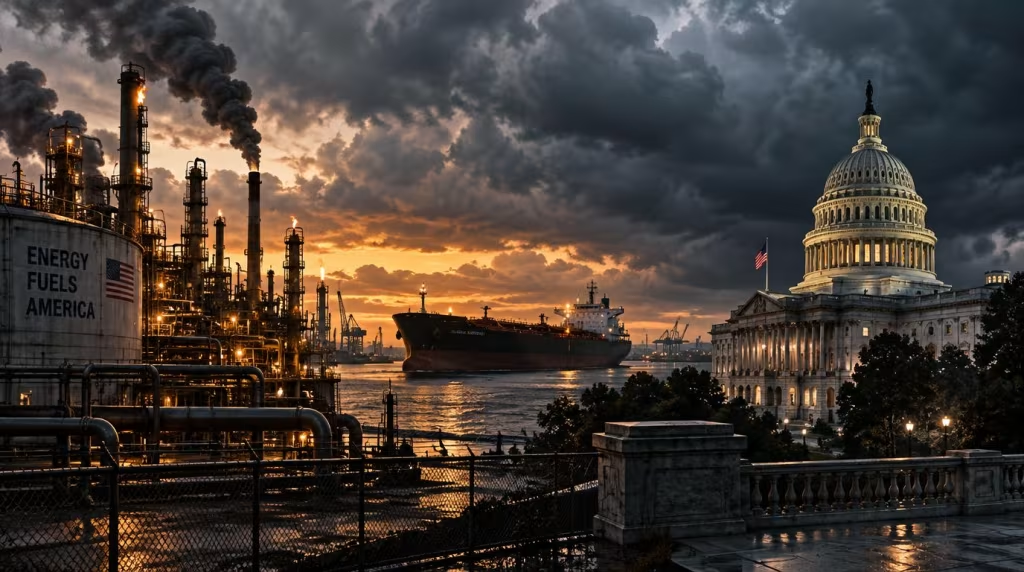
The controversial decision to waive sanctions on Russian energy products has cast a dark cloud over the upcoming midterm elections.
The Russian Diesel Fuel Deal: How a Surprise Sanctions Waiver is Fracturing the GOP Ahead of the Midterms
🇺🇸 Quick Takeaways: A Geopolitical Gamble
In the high-stakes, hyper-scrutinized environment of American electoral politics, the final two weeks before a midterm election are usually reserved for safe, base-rallying messaging. However, the political landscape was violently upended this weekend when President Donald Trump’s administration announced a surprise agreement involving the importation of Russian diesel fuel. By waiving established sanctions on Moscow, the administration has ignited a firestorm of bipartisan criticism and thrown vulnerable Republican candidates into absolute disarray.
The global energy market is no stranger to being used as a geopolitical weapon. Yet, the timing and the optics of effectively handing a financial transaction to Vladimir Putin’s regime after four years of a brutal conflict in Ukraine have left political analysts stunned. As voters head to the polls, the conversation has shifted dramatically from domestic inflation to international allegiances, forcing down-ballot Republicans to make an impossible choice: defend the President’s controversial foreign policy or publicly break ranks to save their own campaigns.
The Mechanics of the Deal: Why Diesel Fuel?
To understand the political fallout, one must first understand the commodity at the center of the storm. Diesel fuel is the lifeblood of the global industrial economy. It powers the trucks that deliver goods, the tractors that harvest crops, and the heavy machinery that builds infrastructure. During times of economic inflation, the price of diesel directly correlates with the cost of consumer goods on supermarket shelves.
Russia has historically been one of the world’s largest exporters of refined petroleum products. Following the invasion of Ukraine, Western nations, including the United States, imposed crippling sanctions designed to choke off the revenue streams funding the Russian war machine. By suddenly reversing course and negotiating a specific waiver for diesel fuel imports, the Trump administration argues it is attempting to stabilize domestic energy prices while simultaneously engaging in complex diplomatic maneuvering.
However, critics across the political spectrum view the purchase of Russian energy as a direct financial subsidy to an adversarial regime. Oil, gas, and petroleum products are the primary financial engines of the Russian state. Purchasing them, critics argue, undermines years of unified Western resistance.
The Administration’s Defense: A “Carrot for Peace”
Faced with immediate and intense backlash, the administration dispatched its top officials to control the narrative. The most prominent defense came from Energy Secretary Chris Wright. Appearing on ABC’s “This Week,” Wright attempted to reframe the sanctions waiver not as a capitulation, but as a strategic diplomatic tool.
Chris Wright’s Tactical Argument
According to reports from Politico, Wright defended the diesel fuel deal as an “incentive” for Moscow to de-escalate the conflict in Ukraine. He noted that after four years of grinding warfare and failed diplomatic attempts to bring both sides to the negotiating table, a new approach was necessary.
“This is a carrot to try to end a war. It’s not an economic lifeline for Russia,” Wright stated emphatically. When pressed on the appropriateness of offering a “carrot” to an aggressor state, Wright added, “President Trump isn’t going to just throw up his arms and say, ‘Well, I guess we can never stop it.’”
The administration’s core argument relies on the premise that traditional, purely punitive sanctions have failed to alter Putin’s behavior. By offering targeted economic relief in specific sectors—like refined energy products—the White House hopes to create financial leverage that can be traded for military concessions.
Contradictory Explanations: The Axios Report
While Energy Secretary Wright pushed the “carrot for peace” narrative, other high-ranking officials offered differing rationales, leading to a chaotic messaging environment. As highlighted by an investigative report from Axios, President Trump’s top aides delivered sharply different explanations over the weekend.
Treasury Secretary Scott Bessent and Secretary of State Marco Rubio found themselves navigating difficult interviews. While Wright focused on the diplomatic leverage of the diesel fuel purchase, other voices within the administration framed the move strictly as a domestic economic necessity aimed at lowering fuel prices for American truckers and consumers before the holidays. Rubio, a long-time hawk on Russia, notably stated that Russia would sell the fuel to other non-Western nations anyway, suggesting the US might as well benefit from the supply.
This lack of a unified communications strategy has provided ample ammunition for political opponents. When the Treasury, State, and Energy departments cannot align on the fundamental reason for a controversial foreign policy shift, it projects internal dysfunction to the voting public.

The GOP Rift: Candidates in the Hot Seat
The most immediate and visible casualty of this policy shift is Republican party unity. Midterm elections are often referendums on the sitting president. For GOP candidates in swing states, the sudden requirement to defend a deal involving Russian diesel fuel is a political nightmare.
Breaking Ranks in Michigan
The Wall Street Journal (WSJ) perfectly captured the panic within the party, noting that Trump’s overtures to Putin have put Republican candidates in the “hot seat.” Politicians in tight races are actively breaking with Trump on Russia policy rather than attempting to defend what many voters perceive as a string of Russia-friendly decisions.
A prime example is Republican Senate candidate Mike Rogers of Michigan. Running in a highly competitive battleground state with a significant population of Eastern European descent (including many Ukrainian-Americans), Rogers immediately distanced himself from the White House. He publicly stated his firm opposition to buying Russian diesel fuel, prioritizing his local electoral survival over national party loyalty.
The Democratic Attack Strategy
For Democratic strategists, the timing of this deal is a monumental gift. They are aggressively blanketing the airwaves with advertisements framing the GOP as “soft on Putin” and willing to compromise national security for questionable economic deals. By forcing Republican candidates to either disavow Trump or defend Russia, Democrats are actively driving a wedge through the conservative base just days before early voting concludes.
The Broader Implications for US Energy Policy
Beyond the immediate electoral drama, the waiver for Russian diesel fuel raises profound questions about the long-term trajectory of United States energy policy. For years, the bipartisan consensus in Washington has been to aggressively decouple the American economy from adversarial energy networks.
If the administration successfully normalizes the targeted purchase of sanctioned energy products under the guise of diplomatic “carrots,” it fundamentally alters the global sanctions playbook. European allies, who have endured severe economic hardships to wean themselves off Russian gas and oil, may view the US move as hypocritical, potentially fracturing the fragile Western alliance that has supported Ukraine.
Conclusion: A Midterm Gamble with Historic Consequences
As the 2026 midterms approach their climax, the narrative is no longer solely about inflation, the border, or domestic culture wars. The administration’s decision to intertwine domestic energy needs with high-stakes international diplomacy has rewritten the final chapter of the campaign.
Whether the importation of Russian diesel fuel genuinely serves as a “carrot for peace” or simply acts as a political anchor dragging down vulnerable GOP candidates will be determined by the voters. What remains undeniable is that the intersection of energy markets and foreign policy continues to be the most volatile element of modern American politics.
Frequently Asked Questions (FAQ)
Why did the US agree to buy Russian diesel fuel?
The Trump administration’s official defense, as articulated by Energy Secretary Chris Wright, is that the deal acts as a diplomatic “carrot” or incentive to bring Russia to the negotiating table to end the war in Ukraine. Other officials have cited the need to stabilize domestic fuel prices.
How are Republican candidates reacting to the deal?
Many GOP candidates in tightly contested midterm races, such as Michigan Senate candidate Mike Rogers, are publicly opposing the deal. They are breaking ranks with the President to avoid being labeled as “soft on Putin” by their political opponents.
What is Chris Wright’s role in the diesel fuel controversy?
Chris Wright is the US Energy Secretary. He has been the primary voice defending the sanctions waiver on national television, arguing that the purchase is not an “economic lifeline” for Russia, but rather a strategic diplomatic maneuver.
How does buying diesel fuel help Russia?
Critics argue that oil, gas, and petroleum products are the main financial drivers of the Russian economy. Purchasing these products provides direct capital to Moscow, which critics say helps fund their ongoing military operations in Ukraine.